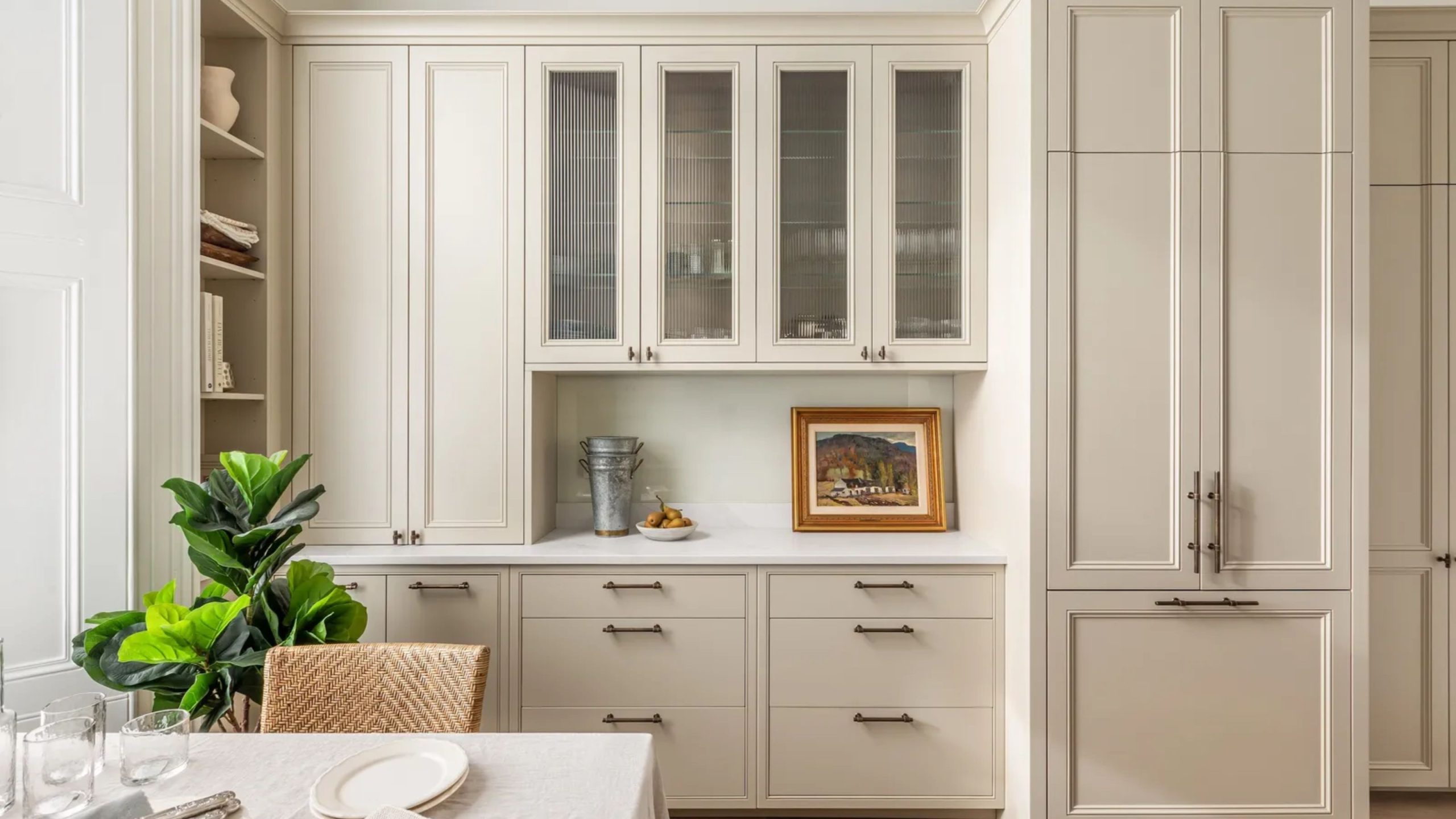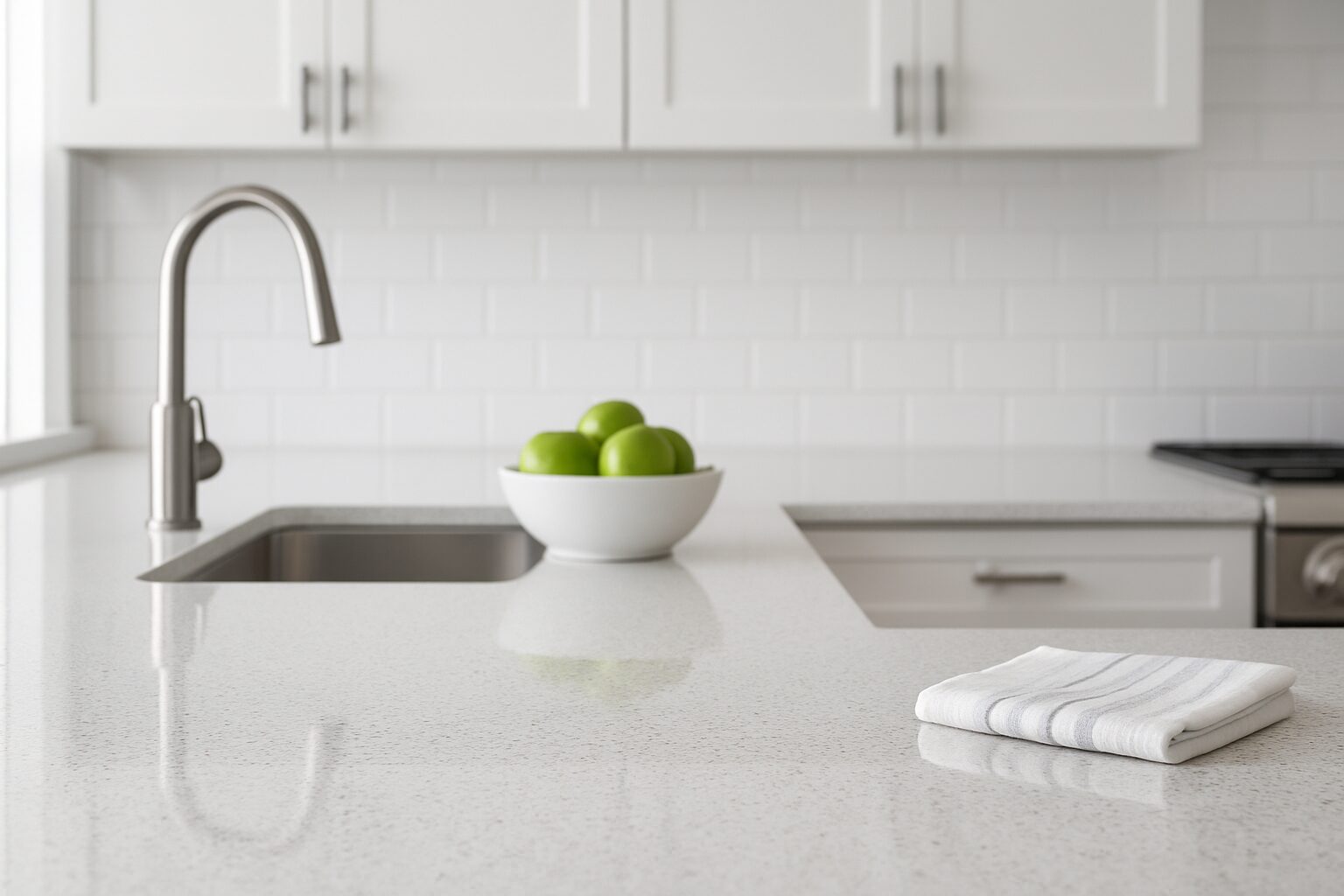
A clean and organized home contributes to a more comfortable, healthier, and productive lifestyle. Regular house cleaning helps reduce dust, control everyday mess, maintain indoor hygiene, and create a welcoming environment for family members and guests. Beyond appearance, maintaining a consistent cleaning routine can make household responsibilities more manageable, protect furniture and surfaces, and support a more relaxing daily experience. Understanding these benefits can help homeowners develop practical habits that improve their living spaces over time.
1. A Cleaner Home Supports Better Indoor Hygiene
Indoor spaces collect dust, food particles, pet hair, and other debris through everyday activities. Without consistent maintenance, these materials can accumulate on floors, countertops, furniture, and frequently touched surfaces.
Routine cleaning helps remove visible dirt and supports better household hygiene. Wiping kitchen counters, cleaning bathroom fixtures, vacuuming carpets, and disinfecting appropriate high-touch surfaces can reduce the buildup of unwanted contaminants.
A practical cleaning schedule also makes it easier to identify areas that require additional attention. Kitchens, bathrooms, entryways, and shared living spaces often benefit from more frequent maintenance because they experience regular use.
Key takeaway: Consistency matters more than occasional intensive cleaning. Small, repeated tasks can help maintain a cleaner environment without allowing household mess to become overwhelming.
2. Regular Cleaning Can Improve Everyday Comfort
Comfort involves more than attractive furniture or stylish decorations. Fresh bedding, clean floors, organized rooms, and tidy surfaces can make a home feel more pleasant and inviting.
Clutter may make rooms feel crowded and create unnecessary distractions. Organizing belongings, putting items back in their designated places, and clearing frequently used surfaces can make everyday activities easier.
A comfortable home also supports relaxation after a busy workday. When common areas are reasonably clean, residents can spend more time enjoying their surroundings instead of worrying about unfinished chores.
Establishing simple habits, such as making the bed each morning, washing dishes after meals, and spending a few minutes organizing living spaces, can help maintain this sense of order.
3. Cleaner Surfaces Help Protect Household Items
Furniture, flooring, appliances, and decorative materials represent important household investments. Dirt, spills, grease, and accumulated dust can gradually affect their appearance and condition if they are not addressed appropriately.
Regular maintenance helps preserve these items by removing residue before it becomes difficult to manage. For example, promptly wiping spills can help prevent certain stains, while using suitable cleaning products can protect surfaces from unnecessary damage.
Different materials require different care methods. Hardwood floors, natural stone, stainless steel, glass, and upholstered furniture should be cleaned according to their specific requirements. Abrasive products and unsuitable chemicals may cause damage even when used with good intentions.
A preventive approach can reduce avoidable maintenance problems and help household furnishings remain attractive for longer.
4. A Cleaning Routine Can Save Time Over the Long Term
One of the most practical advantages of regular cleaning is improved time management. When household tasks are postponed for extended periods, dirt and clutter can become more difficult to address, potentially turning simple chores into lengthy projects.
A structured schedule distributes responsibilities throughout the week. Instead of cleaning every room at once, homeowners can assign specific tasks to different days.
For example, kitchen maintenance can take place daily, bathrooms can receive regular attention during the week, and deeper cleaning can be scheduled periodically. Laundry, dusting, vacuuming, and organizing can also be divided according to household needs.
This approach makes responsibilities easier to anticipate and can reduce the pressure associated with preparing a home for unexpected visitors.
5. Clean Living Spaces Can Support Mental Well-Being
The condition of a living environment can influence how people experience their daily routines. Excessive clutter and unfinished household tasks may contribute to feelings of frustration, particularly when residents struggle to find essential belongings or maintain an organized schedule.
A tidy environment can make it easier to concentrate on work, hobbies, family activities, and relaxation. Organized storage, clear walkways, and accessible everyday items also reduce the effort required to complete routine activities.
However, maintaining a home does not require perfection. A realistic cleaning plan should accommodate work commitments, family responsibilities, and personal time. Prioritizing essential areas is often more sustainable than attempting to keep every room spotless throughout the day.
6. Better Cleaning Habits Can Help Manage Dust and Allergens
Dust can accumulate on shelves, curtains, bedding, carpets, and other household surfaces. Depending on the environment, indoor dust may contain fibers, pollen, pet dander, and other particles.
Regular dusting with suitable tools, laundering bedding, and vacuuming with an appropriate filtration system can help manage these accumulations. Ventilation and moisture control are also important parts of maintaining indoor comfort.
Bathrooms and kitchens deserve particular attention because persistent moisture can encourage mold growth. Repairing leaks, using exhaust fans where appropriate, and drying damp areas promptly can help reduce moisture-related problems.
Cleaning alone cannot eliminate every indoor air quality concern, but consistent maintenance can be a useful part of a broader household hygiene strategy.
7. Statistics-Informed Ways to Measure Cleaning Progress
Although cleaning results vary by household size, occupancy, pets, and lifestyle, homeowners can track practical indicators to evaluate whether their routines are effective.
Useful measurements include:
- Time spent cleaning: Record weekly cleaning time to identify tasks that could be organized more efficiently.
- Task completion rate: Track how consistently essential daily and weekly chores are completed.
- Clutter reduction: Monitor whether frequently used areas remain organized between cleaning sessions.
- Maintenance frequency: Record recurring issues such as persistent spills, visible dust, or damp areas.
- Household satisfaction: Ask residents whether rooms feel comfortable, accessible, and easy to maintain.
Conclusion
Regular home maintenance offers practical benefits that extend beyond visual appeal. It supports household hygiene, improves organization, helps protect furnishings, and makes daily responsibilities easier to manage. A consistent approach also allows homeowners to identify maintenance concerns before they become more difficult to address.
By combining simple daily habits with scheduled weekly tasks and periodic deep cleaning, households can create a comfortable living environment that suits their routines. The most effective plan is one that remains realistic, consistent, and adaptable to changing needs. Over time, these habits can make a well-maintained home easier to enjoy every day.
Key Takeaways
- Regular house cleaning helps reduce dust, control everyday mess, and maintain indoor hygiene.
- Routine cleaning aids in removing visible dirt and can lead to better household hygiene.
- Establishing simple cleaning habits, such as making the bed each morning, supports a comfortable home environment.
- Regular maintenance of household items preserves their appearance and condition by removing potentially damaging residue.
- Implementing a structured cleaning schedule can save time and make household tasks more manageable over the long term.
- Maintaining a clean living space can contribute positively to mental well-being by reducing clutter and frustration.