
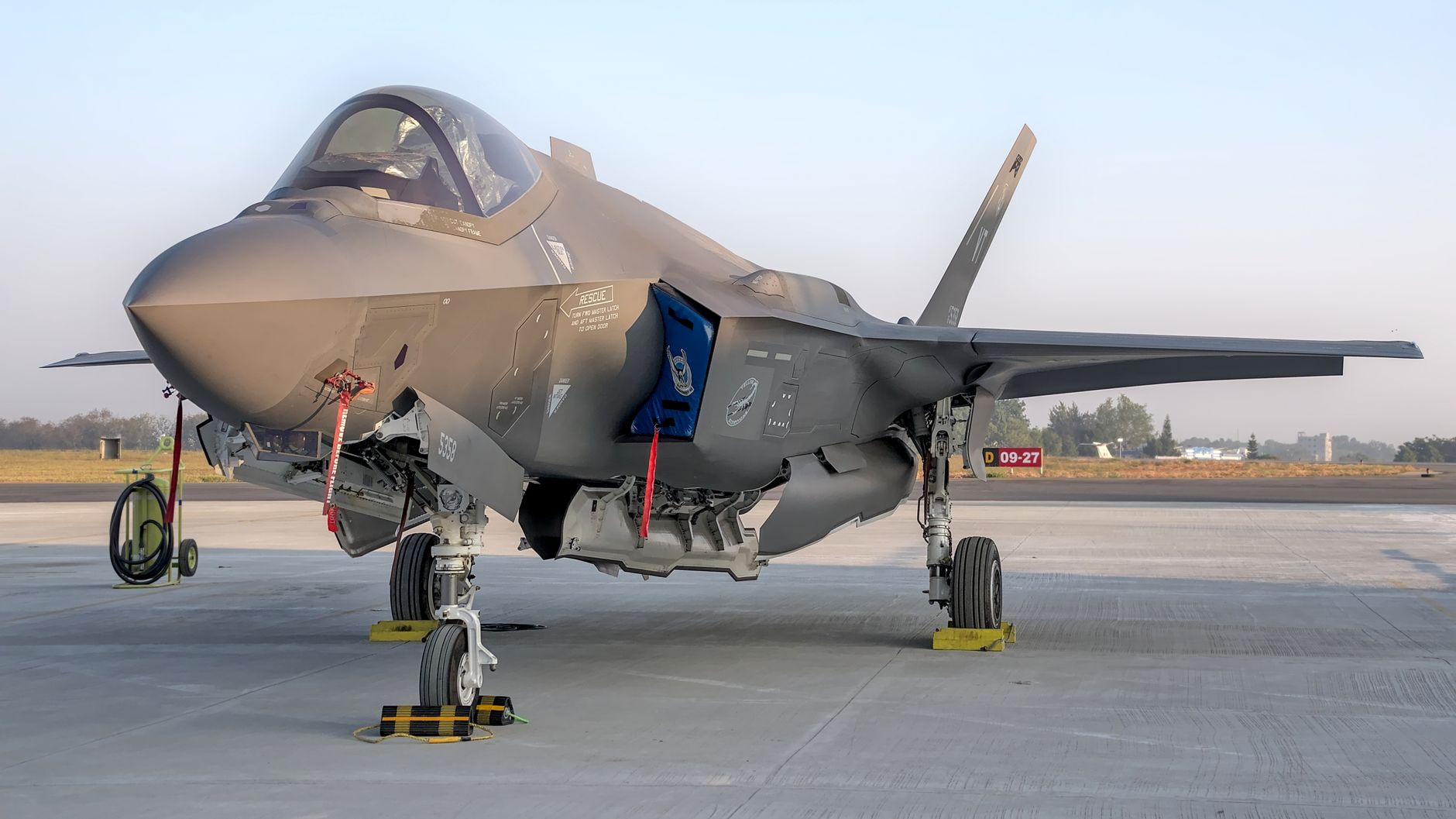
Stealth jet technology is evolving rapidly, with new advancements that block 99.99% of radar waves. This innovation promises to enhance military aircraft performance significantly.
What is Stealth Jet Technology?
Stealth jet technology refers to a series of advancements designed to reduce the radar cross-section of aircraft, making them less detectable to enemy radar systems. This innovative technology has transformed modern military aviation, allowing for greater operational effectiveness and survivability in hostile environments.
At its core, stealth technology employs a combination of shape design, materials, and radar-absorbing coatings to minimize reflection and emissions. The goal is to create an aircraft that can evade detection while performing critical missions.
Recent developments in materials, such as a new film that blocks 99.99% of radar waves, have the potential to revolutionize stealth jet technology even further. This breakthrough could enhance the capabilities of existing aircraft and lead to the design of next-generation fighters.
As tensions rise globally, the importance of stealth capabilities in defense systems becomes increasingly evident, highlighting the need for ongoing research and investment into advanced technologies.
Recent Innovations in Radar Blocking
Recent advancements in stealth jet technology have been significantly influenced by innovative materials capable of blocking radar waves. A noteworthy breakthrough has emerged with the development of a new film that reportedly blocks 99.99% of radar signals.
This remarkable film could revolutionize stealth capabilities, providing aircraft with enhanced evasion techniques against enemy detection systems. The key features of this new material include:
- Lightweight Composition: The film is designed to be lightweight, ensuring it does not compromise the aircraft’s agility or fuel efficiency.
- Durability: Engineered to withstand extreme conditions, this material can endure high temperatures and adverse weather.
- Versatile Application: It can be applied to various aircraft types, making it a potential game-changer for both military and commercial aviation.
The implications of this technology extend beyond military applications, as improved radar-absorbing materials may also benefit other sectors, enhancing overall safety and operational effectiveness.
Impact on Military Strategy
The advancements in stealth jet technology have significantly reshaped military strategy across the globe. As nations invest in cutting-edge innovations, the role of stealth aircraft in modern warfare has become increasingly crucial.
One of the primary impacts of these advancements is the ability to conduct operations undetected. This capability allows military forces to gather intelligence, deliver precise strikes, and perform reconnaissance missions without the risk of interception. As a result, commanders can make informed decisions based on real-time information from areas traditionally considered high-risk.
Furthermore, the integration of new materials, like the film that blocks 99.99% of radar waves, enhances the effectiveness of stealth jets, making them more reliable in various combat scenarios. This has prompted a reevaluation of traditional defense tactics, as adversaries must develop new strategies to counteract these stealth capabilities.
Ultimately, the evolution of stealth jet technology not only improves individual aircraft performance but also alters the landscape of global military power dynamics.
Future of Aviation Technology
The future of aviation technology is poised for transformative advancements, particularly in the realm of stealth jet technology. As nations continue to invest in defense capabilities, the development of advanced materials and designs will play a crucial role in shaping next-generation aircraft.
Emerging innovations are expected to enhance the effectiveness of stealth capabilities, with several key trends likely to influence progress:
- Adaptive Camouflage: Future aircraft may incorporate adaptive materials that can change color and texture, further reducing visibility.
- Enhanced Propulsion Systems: New engines designed to minimize heat signatures will contribute to improved stealth performance.
- Advanced Sensor Integration: The integration of sophisticated sensor technology will allow for better situational awareness without compromising stealth.
- AI Integration: Artificial intelligence may streamline operation and improve stealth maneuverability, making aircraft more adaptable in complex environments.
As these developments unfold, the landscape of military aviation will undoubtedly shift, reinforcing the importance of stealth jet technology in modern defense strategies.
Challenges in Stealth Development
Despite significant advancements in stealth jet technology, several challenges remain in the development and implementation of these aircraft. One major issue is cost. Stealth technology often involves expensive materials and manufacturing processes, which can strain military budgets.
Additionally, integration of stealth features with existing aircraft poses a technical challenge. Engineers must ensure that the new technologies work seamlessly with traditional systems while maintaining performance and safety standards.
Another obstacle is the constant evolution of radar and detection technologies. As stealth jet technology improves, adversaries are also developing more sophisticated systems capable of detecting stealth aircraft, thereby diminishing the effectiveness of existing stealth measures.
- Budget constraints limit research and development.
- Technical difficulties in aircraft integration.
- Advancing detection technologies challenge stealth capabilities.
Ultimately, overcoming these challenges is crucial for the future of military aviation and the effectiveness of air defense strategies.
Comparative Analysis of Stealth Jets
The development of stealth jet technology has led to an array of advancements in military aviation, making it essential to conduct a comparative analysis of various stealth jets currently in operation. This analysis reveals significant differences in design, performance, and operational capabilities.
- F-22 Raptor: Known for its agility and advanced sensor fusion, the F-22 effectively evades radar detection while maintaining superior maneuverability.
- B-2 Spirit: This strategic bomber utilizes a flying wing design, enhancing its stealth profile and allowing for deep penetration into enemy territory.
- F-35 Lightning II: With its multirole capabilities, the F-35 incorporates advanced stealth features, making it suitable for both air-to-air and air-to-ground missions.
Each of these aircraft showcases the evolution of stealth technologies, emphasizing how their unique attributes contribute to modern defense strategies. As advancements continue, it is anticipated that new innovations will further enhance the effectiveness of stealth jets on the battlefield.
Expert Opinions on Radar Technology
Experts in defense technology have expressed optimism about the latest advancements in radar technology, particularly in relation to stealth jet technology. The development of a new film that blocks 99.99% of radar waves has the potential to revolutionize how military aircraft evade detection.
Dr. Emily Tran, a leading aerospace engineer, emphasized the significance of this breakthrough, stating, “Enhancements in radar-blocking materials are crucial for the evolution of stealth capabilities. This film could redefine the effectiveness of stealth jets in combat scenarios.”
Moreover, Colonel James Holloway, a military strategist, pointed out that the integration of such advanced materials will not only improve survivability but also allow for more versatile mission profiles. He noted, “As we enhance our stealth capabilities, we must also rethink our tactical approaches to maximize the advantages these technologies provide.”
Overall, the ongoing advancements in radar-blocking technology are expected to have profound implications for modern defense strategies and the future of aerial warfare.
Photo by Aseem Borkar on Pexels