
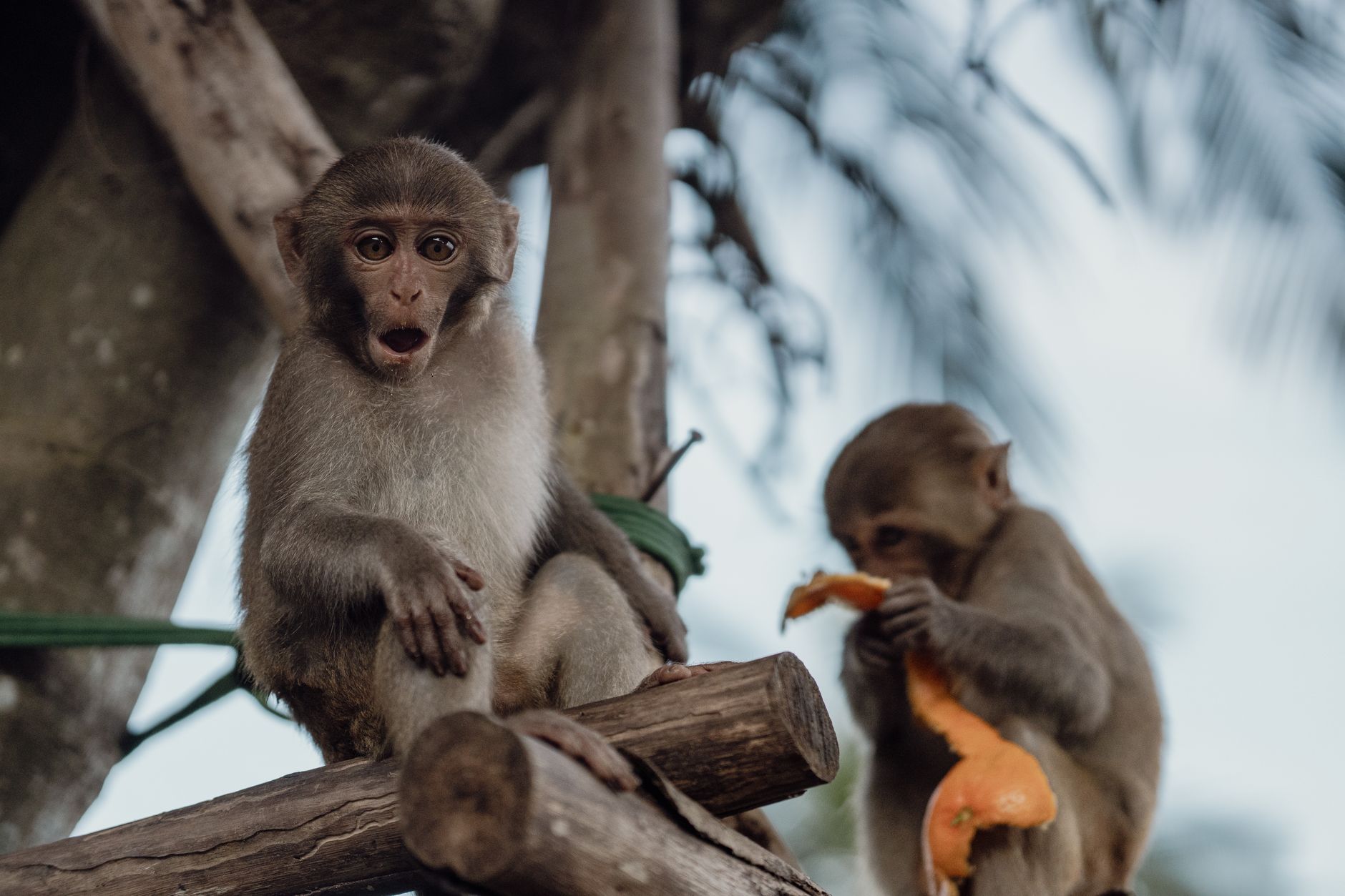
The Orange-Lipped Monkey has been found in Congo, offering new insights into primate biodiversity and conservation efforts.
What is the Orange-Lipped Monkey?
The Orange-Lipped Monkey is a newly discovered primate species found in the dense rainforests of the Congo. This remarkable creature has captivated researchers due to its striking appearance and unique behavioral traits.
Characterized by its vibrant orange lips, the Orange-Lipped Monkey displays a blend of colors that includes shades of brown and black in its fur, making it stand out among other primates in its habitat.
Known for its agility and social nature, this monkey typically travels in small groups, showcasing complex social interactions. Additionally, the diet of the Orange-Lipped Monkey primarily consists of fruits, leaves, and insects, which play a vital role in maintaining the ecosystem balance.
Researchers believe that this discovery not only contributes to the understanding of primate diversity but also highlights the importance of conservation efforts in preserving their natural habitat.
Significance of the Discovery
The discovery of the Orange-Lipped Monkey signifies a pivotal moment in primate research and conservation efforts. This unique species, identified in the dense forests of the Congo, showcases the rich biodiversity of the region and highlights the urgent need for habitat preservation.
Scientists believe that understanding the Orange-Lipped Monkey can provide insights into ecological dynamics and evolutionary processes in primate behavior. The implications of this find extend beyond academic curiosity, impacting conservation strategies aimed at protecting endangered species.
- Diverse Ecosystem: The presence of the Orange-Lipped Monkey reflects a healthy and diverse ecosystem in its habitat.
- Conservation Awareness: Awareness of this new species can galvanize support for conservation initiatives in the Congo.
- Scientific Research: Future studies may reveal more about its behavior, diet, and social structure.
Overall, the discovery is not just about a new species; it is a call to action for preserving the delicate balance of our planet’s ecosystems.
Habitat and Behavior
The recently discovered Orange-Lipped Monkey, native to the lush forests of the Congo, exhibits unique habitat preferences that set it apart from other primates. These monkeys thrive in dense, tropical rainforests, where they can navigate through the thick foliage with agility. Their environment provides ample food sources, including fruits, leaves, and insects, essential for their diet.
In terms of behavior, the Orange-Lipped Monkey is known for its highly social nature. They live in groups that can consist of up to 30 individuals, fostering strong bonds and cooperative behaviors. Communication among these monkeys is complex, utilizing a variety of vocalizations and body language to convey messages.
Additionally, the Orange-Lipped Monkey is primarily diurnal, being most active during the day. This allows them to forage for food and engage in social interactions while avoiding nocturnal predators. Understanding their habitat and behavior is crucial for future conservation efforts.
Conservation Efforts in Congo
Conservation efforts for the recently discovered Orange-Lipped Monkey are crucial in ensuring the survival of this unique species. Located primarily in the dense forests of the Congo, these monkeys face numerous threats that necessitate immediate action.
Local organizations, in collaboration with international wildlife agencies, are spearheading initiatives aimed at protecting their habitat. Key strategies include:
- Habitat preservation: Establishing protected areas to prevent deforestation and poaching.
- Community education: Raising awareness among local populations about the importance of conserving the Orange-Lipped Monkey and its ecosystem.
- Research funding: Supporting studies that focus on the species’ behavior and ecology to inform better conservation practices.
The ongoing commitment to these efforts will be vital in securing a future for the Orange-Lipped Monkey, ensuring that this remarkable species thrives in its natural environment.
Future Research Directions
The discovery of the Orange-Lipped Monkey opens new avenues for research that could enhance our understanding of primate evolution and ecology. Future studies should focus on several key areas:
- Genetic Analysis: Conducting genomic studies to explore the genetic diversity of the Orange-Lipped Monkey and its relation to other primate species.
- Population Dynamics: Investigating the population size and structure to determine the species’ conservation status and potential threats.
- Behavioral Studies: Observing social structures and behaviors in natural habitats to gain insights into their daily lives and interactions.
- Habitat Protection: Collaborating with local communities to establish protected areas that ensure the survival of the Orange-Lipped Monkey.
By focusing on these areas, researchers can develop comprehensive strategies to protect this newly discovered species and its unique ecological niche in the Congo.
Photo by Vuong on Pexels
Read the original
AIIMS NORCET 11 admit card: Is it the best way to prepare? · Social Media Safety: Proven Strategies for Protecting Youth · OpenAI model Navier-Stokes: Is This the Best AI Breakthrough?