V6 engine issues are a significant topic of discussion among automotive enthusiasts. Many drivers express their dissatisfaction with V6 engines for various reasons, from performance to reliability.
Understanding V6 Engines
V6 engines have been a popular choice among automakers for decades, providing a balance between power and efficiency. However, a range of issues has led to some drivers expressing dissatisfaction with these engines.
One of the main concerns surrounding V6 engine issues is their complexity compared to four-cylinder engines. With more moving parts, they can be more prone to mechanical failures. Common problems include:
- Oil leaks: These can occur due to faulty gaskets or seals, leading to decreased performance.
- Overheating: A V6 engine may be more susceptible to overheating if the cooling system is not properly maintained.
- Timing belt issues: If the timing belt fails, it can cause significant engine damage.
Additionally, some enthusiasts feel that V6 engines lack the raw power and sound appeal of their V8 counterparts. While they often provide adequate performance for daily driving, these factors contribute to the mixed feelings many have about V6 engines.
Common Problems with V6 Engines
V6 engines, while popular for their balance of power and efficiency, are not without their drawbacks. Many enthusiasts and everyday drivers alike have reported several common problems that contribute to the negative perception of these engines.
- Oil Consumption: One of the most prevalent issues is excessive oil consumption. Many V6 engines tend to burn oil at a rate that can lead to costly maintenance and repairs.
- Timing Chain Failures: Timing chain problems are another significant concern. A failing timing chain can lead to catastrophic engine damage if not addressed promptly.
- Cooling System Issues: Overheating is a frequent complaint, often related to the cooling system. A malfunctioning thermostat or radiator can severely impact engine performance.
- Fuel Injector Problems: Clogged or faulty fuel injectors can result in poor fuel efficiency and sluggish acceleration, further frustrating drivers.
These V6 engine issues can lead to a host of problems, prompting many to reconsider their choice of vehicle.
Performance Comparisons: V6 vs. Others
When comparing the performance of V6 engines to their counterparts, several factors come into play. While V6 engines are often praised for their balance of power and fuel efficiency, they also face criticism for various reasons.
Compared to V8 engines, V6 engines typically offer less horsepower and torque, which can leave drivers wanting more, especially in high-performance scenarios. In contrast, four-cylinder engines tend to be more fuel-efficient, but they may lack the power that many drivers desire.
Some enthusiasts argue that V6 engines struggle with smoothness and responsiveness, particularly when stressed under heavy loads or during acceleration. Additionally, the potential for V6 engine issues, such as increased wear and tear, can lead to costly repairs over time, further contributing to the disdain some have for these engines.
Ultimately, the choice between a V6 and other engine types often comes down to personal preference, driving style, and the specific needs of the driver.
Driver Experiences with V6 Engines
Many drivers have shared their experiences regarding V6 engine issues, often highlighting several common concerns. One of the most prevalent complaints is the engine’s lack of power compared to its V8 counterparts. Many enthusiasts feel that V6 engines do not deliver the thrilling performance they desire, especially in high-demand situations.
Another frequent issue raised is the reliability of V6 engines. Owners have reported instances of premature wear and tear, leading to costly repairs. Furthermore, some drivers have experienced unexpected breakdowns, which can be particularly frustrating during long trips.
Fuel efficiency is also a topic of contention among V6 drivers. While some models offer decent mileage, many find their expectations were not met, especially when compared to smaller engines.
Lastly, the sound of V6 engines is often criticized. Many drivers prefer the deep, throaty growl of V8s, feeling that V6 engines lack the same emotional connection and character.
The Future of V6 Technology
As automotive technology continues to evolve, the future of V6 engines remains a topic of debate among enthusiasts and manufacturers alike. Although V6 engine issues have surfaced over the years, advancements in engineering and design are paving the way for improvements.
Manufacturers are exploring hybrid and electric technologies, which could influence the future of V6 engines. While traditional V6 engines have faced criticism for their reliability and fuel efficiency, innovations may lead to more efficient powertrains that maintain the power characteristics drivers love.
Some key trends in the future of V6 technology include:
- Hybrid Integration: Combining V6 engines with electric motors to enhance performance and efficiency.
- Turbocharging: Increasing power output without adding significant weight or size.
- Improved Materials: Utilizing lighter and more durable materials to enhance reliability.
As the automotive industry shifts toward sustainability, the V6 engine’s evolution will be crucial in meeting both performance and environmental standards.
Expert Opinions on V6 Engines
Experts in the automotive industry have weighed in on the contentious topic of V6 engine issues, highlighting several factors that contribute to the negative perception of these engines. According to renowned automotive engineer Mark Thompson, the V6 engine’s complexity can lead to numerous mechanical problems, making them less reliable than simpler engine configurations.
Additionally, industry analyst Sarah Lee points out that many consumers associate V6 engines with decreased fuel efficiency compared to their four-cylinder counterparts. She states, “While V6 engines offer more power, drivers are often frustrated by the trade-off in fuel economy, which is a significant concern for many today.”
Moreover, maintenance costs can be higher for V6 engines due to their intricate design and potential for more frequent repairs. This has led to a growing sentiment among car buyers who prefer more straightforward and efficient alternatives. As a result, the V6 engine faces increasing scrutiny in a market that values both performance and practicality.
Maintenance Tips for V6 Engines
Maintaining a V6 engine can be straightforward if you stay informed and proactive. Here are some essential maintenance tips to keep your engine in top condition and avoid common V6 engine issues:
- Regular Oil Changes: Change your engine oil every 5,000 to 7,500 miles. Clean oil reduces friction and keeps the engine running smoothly.
- Check Coolant Levels: Ensure your coolant is at the proper level to prevent overheating, which is a common problem for V6 engines.
- Inspect Spark Plugs: Replace spark plugs every 30,000 to 50,000 miles to maintain fuel efficiency and engine performance.
- Air Filter Replacement: Change the air filter regularly to improve airflow and engine performance, reducing the risk of V6 engine issues.
- Listen for Unusual Noises: Pay attention to any strange sounds while driving. They could indicate underlying problems that need immediate attention.
By following these tips, you can enhance the longevity and reliability of your V6 engine.
Why Some Still Love V6 Engines
Despite the various V6 engine issues that have been highlighted, many automotive enthusiasts still have a fondness for this engine configuration. Enthusiasts appreciate the balance of power and efficiency that V6 engines can provide. Here are some reasons why they continue to hold a special place in the hearts of drivers:
- Versatility: V6 engines are often seen as the middle ground between four-cylinder and V8 engines, offering a blend of performance and fuel economy suitable for various driving needs.
- Space Efficiency: Their compact design allows for better integration in smaller vehicles, making them ideal for sedans and crossovers.
- Smooth Operation: Many drivers enjoy the smoothness and quiet operation of V6 engines, which can enhance the overall driving experience.
- Affordability: Vehicles equipped with V6 engines often come at a lower price point compared to their higher-performance counterparts, making them more accessible.
For these reasons, V6 engines continue to be a popular choice for many car buyers, despite the known issues associated with them.
Many car enthusiasts often cite V6 engine issues as a major drawback when comparing them to more powerful engine configurations. These V6 engine issues can lead to decreased performance and higher maintenance costs over time.
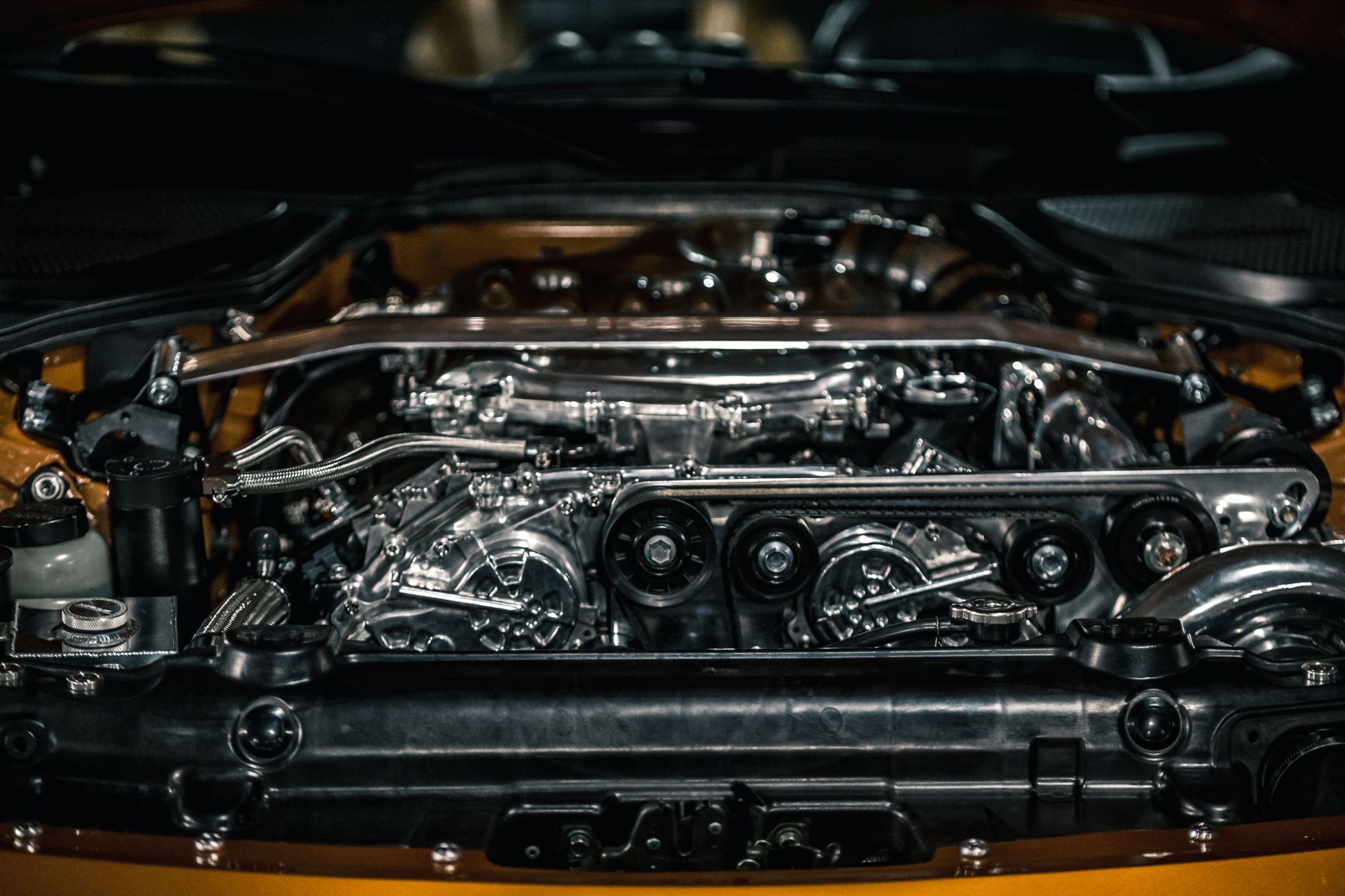
Photo by Erik Mclean on Pexels