Intel Nova Lake has made headlines by reportedly ditching the expected Core Ultra 400 name for its latest laptop chips. This decision affects all five families adopting the Core Ultra 4000 branding, sparking discussions in the tech community.
Overview of Intel Nova Lake
The recent announcement regarding Intel Nova Lake has generated significant buzz in the tech community. As the company shifts its focus from the anticipated Core Ultra 400 naming convention, it has opted for a more unified branding approach with the Core Ultra 4000 series. This decision impacts several product families aimed at both high-performance and ultra-portable laptops.
Intel’s move to consolidate its branding under the Nova Lake umbrella means that all five families of chips, including the H and U series, will now fall under the Core Ultra 4000 designation. This change aims to simplify the consumer experience by reducing confusion associated with multiple naming conventions. However, it has sparked criticism among tech enthusiasts who feel that the new name lacks the distinctiveness that consumers expect from Intel products.
- Performance: The Core Ultra 4000 series promises enhanced performance and efficiency.
- Targeted Segments: The H and U chips cater to gamers and professionals alike.
- Branding Strategy: Aiming for a streamlined approach to product identification.
While the Intel Nova Lake branding may help in consolidating the product lineup, many are left wondering if this change will ultimately benefit consumers or merely serve as a marketing ploy.
Changes in Core Ultra Naming
The recent shift to the Intel Nova Lake branding marks a significant change in the naming convention for the company’s latest series of processors. Previously known as Core Ultra 400, the new designation has stirred a mix of confusion and frustration among consumers and industry experts alike.
Intel’s decision to adopt the Nova Lake name for all five families of chips—targeted for both laptop H and U segments—has raised eyebrows. The Core Ultra 4000 moniker was anticipated to signify a continuation of Intel’s performance-driven approach, but the abrupt change has left many wondering about the rationale behind it.
Some of the notable changes in the Core Ultra naming include:
- Shift in Branding: The introduction of the Intel Nova Lake name may dilute the identity of the Core Ultra series.
- Market Confusion: Consumers may struggle to associate the new name with the expected performance benchmarks.
- Impact on Marketing: Intel’s strategy to differentiate their products might backfire if customers perceive the name as less appealing.
As Intel Nova Lake continues to gain traction, only time will tell if the rebranding will be embraced or criticized further.
Impact on Laptop Performance
The transition to Intel Nova Lake has raised questions about the potential impact on laptop performance. With the rebranding of the Core Ultra series to the Core Ultra 4000, many are left wondering how this change will influence the capabilities of future laptops.
Several key factors will determine the performance implications of the Intel Nova Lake architecture:
- Power Efficiency: The new architecture aims to enhance power efficiency, which is crucial for laptops that rely on battery life.
- Thermal Management: Improved thermal designs are expected to allow for higher performance without overheating, enabling sustained workloads.
- Integrated Graphics: With advancements in integrated graphics, users may experience better gaming and multimedia performance without the need for dedicated GPUs.
- AI Integration: The integration of AI capabilities could enhance processing tasks, providing a smoother experience in productivity applications.
While the name change to Intel Nova Lake may not seem significant at first glance, it represents a shift toward a more performance-oriented approach. As the new architecture rolls out, benchmarks and real-world testing will ultimately reveal its true impact on laptop performance.
Comparison with Previous Generations
The introduction of Intel Nova Lake marks a significant shift in the naming convention for Intel’s laptop processors, moving away from the Core Ultra 400 branding. This change has raised eyebrows among tech enthusiasts and industry experts alike, particularly when compared to previous generations.
Historically, Intel’s naming schemes have provided a clear understanding of the processor’s capabilities and target market. The Core i7 and i9 series, for example, have consistently indicated higher performance levels, allowing consumers to make informed choices. However, with the switch to Intel Nova Lake, this clarity may be lost.
In comparison to the Core Ultra 3000 series, which had distinct tiers and naming structures, the new Core Ultra 4000 designation seems less intuitive. The transition to a unified naming system across all five families—H and U chips included—may simplify branding, but it also risks creating confusion regarding performance expectations.
Key differences between Intel Nova Lake and its predecessors include:
- Unified branding across all processor families
- Lack of clear performance indicators
- Potential for consumer confusion
Industry Reactions to Name Change
Industry reactions to the name change from Core Ultra 4000 to Intel Nova Lake have been mixed, with many experts expressing their concerns about the decision.
Some analysts believe that the new branding may confuse consumers who are already familiar with the previous naming conventions. They argue that the shift from a recognizable name like Core Ultra to Intel Nova Lake could dilute the brand’s identity.
On the other hand, there are those who see potential in the Intel Nova Lake name, suggesting it represents a fresh start for Intel’s mobile processor lineup. They emphasize the need for innovation and differentiation in a crowded market. However, this optimism is often tempered by skepticism regarding the execution of the new branding strategy.
Key points from industry reactions include:
- Consumer Confusion: The sudden change may leave consumers uncertain about product capabilities.
- Brand Identity Issues: Longtime Intel followers might struggle to connect with the new name.
- Potential for Innovation: Some believe this could pave the way for new advancements.
Overall, the reception of Intel Nova Lake reflects a broader apprehension about the company’s strategic direction.
Future of Intel Processors
The future of Intel processors appears to be significantly influenced by the recent shift to the Intel Nova Lake branding, a move that has left many in the tech community pondering its implications. As the company transitions from the Core Ultra naming convention, it is essential to understand how this change will affect both development and consumer perception.
Many industry analysts speculate that the Intel Nova Lake series will introduce enhanced performance capabilities across various laptop models. The new architecture is expected to support a broader range of use cases, from high-performance gaming to efficient productivity tasks. Key features may include:
- Improved Energy Efficiency: The Nova Lake chips are anticipated to deliver better power management, extending battery life.
- Increased Core Count: Users can expect more cores and threads, boosting multitasking capabilities.
- Advanced Integrated Graphics: Enhanced graphics performance is likely to attract gamers and content creators alike.
Despite the controversy surrounding the name change, the Intel Nova Lake series is poised to redefine the landscape of mobile computing, making it crucial for consumers and manufacturers to adapt and embrace these developments.
Consumer Expectations
As consumers eagerly await the launch of the Intel Nova Lake series, expectations are running high. Many anticipated that the Core Ultra 4000 naming convention would signify a substantial upgrade in performance and efficiency. However, with the shift to the Nova Lake branding, there is a mix of excitement and confusion among buyers.
Consumers are looking for clarity on what the new naming scheme entails, especially since it affects all five families of processors. Some potential buyers have expressed concerns that the name change may dilute the perceived value of the new chips. The Core Ultra 4000 was expected to represent cutting-edge technology, but the rebranding to Intel Nova Lake has left many questioning whether the performance will truly match the high expectations.
In addition, there’s apprehension regarding compatibility and upgrade paths. Users want assurance that their existing systems will benefit from the new architecture without requiring extensive changes. As Intel navigates consumer sentiment, the success of Nova Lake will hinge on how well it meets the demands for powerful, efficient computing in the face of this significant name change.
Conclusion and Insights
In conclusion, the transition to Intel Nova Lake signifies a pivotal moment for the company as it navigates the complexities of branding and performance in the competitive processor market. The decision to shift from the anticipated Core Ultra 400 to a new naming convention has generated mixed reactions from both consumers and industry experts. Many argue that the name change diminishes the coherence that previous generations offered, while others believe it reflects a broader strategic shift within Intel.
Insights gathered from various stakeholders suggest that clarity and consistency in naming could play a crucial role in consumer perception and acceptance. The performance enhancements anticipated with the Intel Nova Lake are promising, but the impact of the name change may linger longer in the minds of potential buyers.
Looking forward, Intel must balance innovation with consumer expectations to regain trust and brand loyalty. As the market evolves, the success of the Intel Nova Lake will likely hinge not only on its performance capabilities but also on how well it resonates with users seeking reliability and familiarity in a rapidly changing technological landscape.
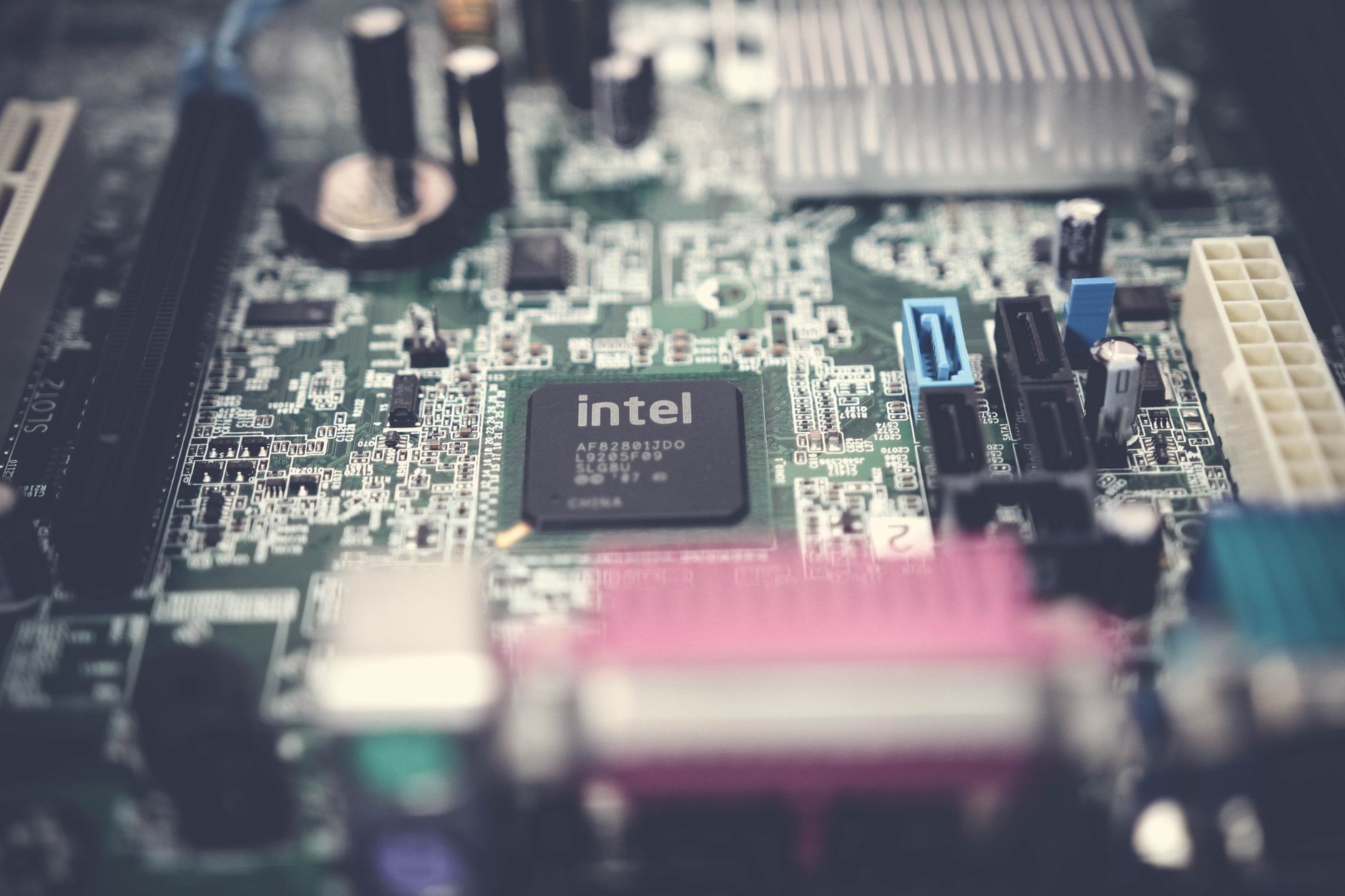
Photo by Pok Rie on Pexels