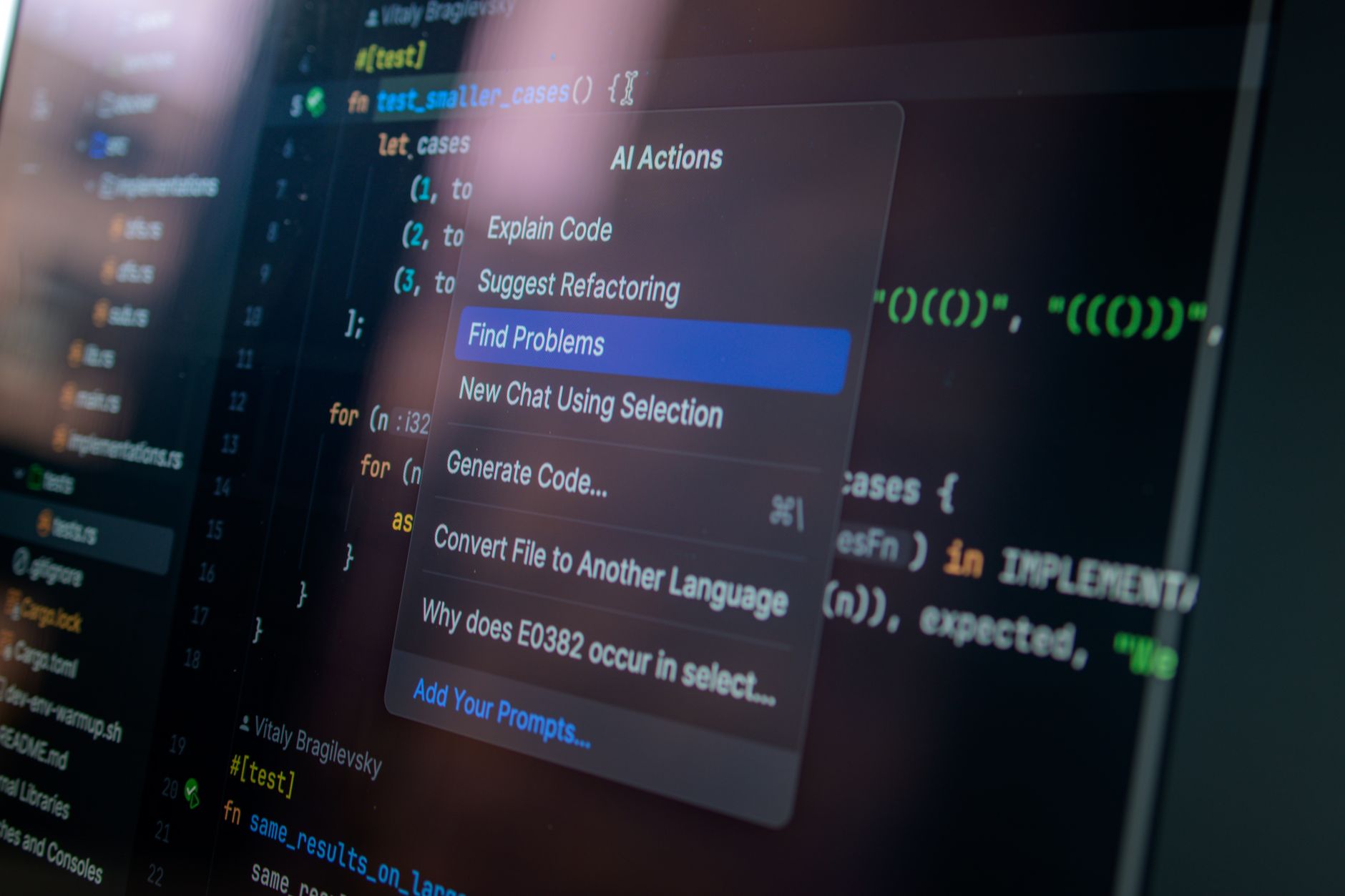
OpenAI legacy code upgrade is set to revolutionize how developers interact with COBOL and Fortran. This latest model aims to simplify legacy code management, making it easier for programmers to work with older languages.
What is the OpenAI legacy code upgrade?
The OpenAI legacy code upgrade refers to a significant enhancement initiative aimed at improving the performance and functionality of older programming languages such as COBOL and Fortran. This upgrade is designed to breathe new life into legacy codebases that are often critical to various industries yet struggle to integrate with modern technologies.
Many organizations rely on legacy systems that have been in operation for decades, making them difficult to modify or scale. The OpenAI legacy code upgrade seeks to address these challenges by utilizing advanced AI techniques to analyze and convert outdated code into more contemporary languages or frameworks.
This initiative is particularly important as companies face increasing pressure to modernize their technology stacks while maintaining operational integrity. The upgrade not only enhances efficiency but also allows for the retention of valuable business logic embedded in the original code.
Key benefits of the OpenAI legacy code upgrade include:
- Improved performance: Optimizes existing code to enhance speed and reduce resource consumption.
- Seamless integration: Facilitates easier interaction with modern applications and services.
- Cost-effectiveness: Reduces the need for extensive rewrites, saving time and money.
How does it improve COBOL and Fortran support?
The recent OpenAI legacy code upgrade has generated significant interest, particularly regarding its impact on COBOL and Fortran support. These programming languages, often considered antiquated, still underpin many critical systems in various industries, including finance and government.
With the new upgrade, OpenAI aims to enhance the usability and functionality of COBOL and Fortran through advanced natural language processing capabilities. By doing so, it enables developers to:
- Modernize legacy applications: The upgrade facilitates the translation of legacy code into modern programming languages, making it easier to maintain and integrate with new technologies.
- Increase productivity: Developers can leverage AI tools to understand and modify legacy code more efficiently, reducing the time and effort required for updates.
- Improve code quality: By identifying potential bugs and suggesting best practices, the upgrade helps ensure that legacy systems remain robust and secure.
As organizations continue to grapple with aging systems, the OpenAI legacy code upgrade represents a promising solution. By breathing new life into COBOL and Fortran, it not only preserves vital business functions but also supports the transition to more modern programming paradigms.
Benefits of upgrading legacy code with AI
Upgrading legacy code with AI offers numerous advantages that can significantly enhance software performance and maintainability. One of the primary benefits is the improved efficiency in code refactoring. By leveraging advanced algorithms, the OpenAI legacy code upgrade can automate the process of updating outdated programming languages like COBOL and Fortran, reducing the time and effort required by developers.
Additionally, AI-driven upgrades can help in identifying and resolving bugs that may have persisted in the legacy systems for years. This not only improves the reliability of the software but also enhances overall system security, as outdated code often contains vulnerabilities that can be exploited.
Another significant benefit is the ease of integration with modern technologies. Upgrading legacy code with AI allows for smoother transitions to newer frameworks and platforms, ensuring that businesses can take advantage of the latest advancements without losing their existing investments.
Moreover, the OpenAI legacy code upgrade can facilitate better documentation and knowledge transfer. By generating clear and concise documentation during the upgrade process, it ensures that future developers can easily understand and work with the updated codebase.
In summary, the benefits of upgrading legacy code with AI encompass efficiency, reliability, security, and ease of integration, making it a compelling solution for organizations facing the challenges of outdated systems.
Future implications for software development
The implications of the OpenAI legacy code upgrade extend far beyond immediate improvements in programming languages like COBOL and Fortran. As organizations increasingly rely on older coding systems, the ability to modernize these systems through AI-driven solutions becomes crucial for maintaining operational efficiency.
One significant impact is the potential reduction in technical debt. Organizations often face challenges when trying to integrate legacy systems with newer technologies. By upgrading legacy code with AI tools, businesses can streamline this integration, enhancing overall system interoperability.
Additionally, the OpenAI legacy code upgrade fosters a culture of innovation within software development teams. Developers can focus on creating new features and applications rather than spending excessive time on maintaining outdated code. This shift allows for a more agile development environment, where teams can rapidly respond to market demands.
Furthermore, the long-term sustainability of software systems can be greatly improved. As legacy code is modernized, organizations can ensure that their systems remain relevant and secure against emerging threats.
In summary, the OpenAI legacy code upgrade represents not only a technical advancement but also a strategic opportunity for organizations to enhance their software development practices.
Photo by Markus Winkler on Pexels