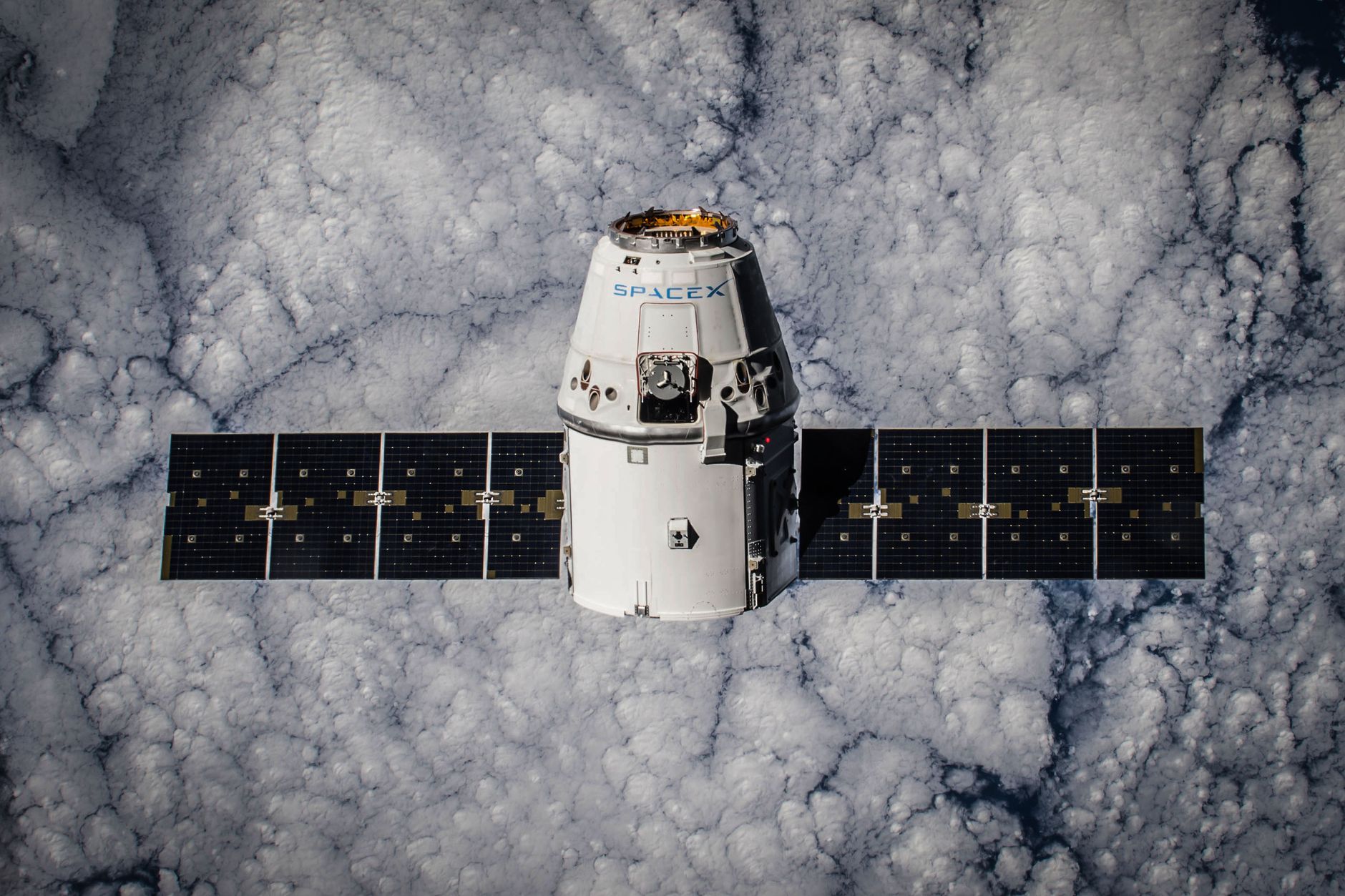
NASA SpaceX solar arrays are making headlines as they prepare for a significant launch that will deliver crucial cargo to the International Space Station.
Overview of the Launch
NASA and SpaceX successfully launched a new set of solar arrays, marking another significant milestone in their ongoing collaboration. The launch, which took place on a clear morning, was designed to enhance the International Space Station’s power capabilities. With the addition of these solar arrays, which weigh approximately 6,300 pounds, the station is set to benefit from increased energy efficiency.
The solar arrays are essential for supporting a wide range of scientific research conducted aboard the space station. They will not only provide power to ongoing experiments but also facilitate new technologies aimed at long-term space exploration. The successful deployment of these solar arrays underscores the proven benefits of NASA SpaceX solar arrays for advancing scientific knowledge and logistical capabilities in space.
As part of the mission, the cargo also included various supplies and equipment necessary for maintaining and upgrading the space station’s operations. This launch continues a series of missions aimed at expanding the ISS’s capabilities, with a focus on sustainability and innovation.
In the coming days, astronauts aboard the ISS will begin the installation process for the new solar arrays, which are expected to enhance the station’s operational lifespan. The collaboration between NASA and SpaceX represents a significant step forward in harnessing solar energy for future space missions.
Importance of Solar Arrays
The launch of the new solar arrays by NASA and SpaceX marks a significant advancement in space technology, highlighting the importance of solar arrays in powering the International Space Station (ISS). These solar arrays play a critical role in providing the necessary energy for various scientific experiments and daily operations aboard the ISS.
Solar arrays convert sunlight into electricity, making them an essential component of any space mission. The newly launched arrays are designed to enhance the existing power systems, ensuring that the ISS can accommodate the growing demands of its onboard research initiatives. The benefits of these solar arrays extend beyond mere power supply; they also contribute to the sustainability of space missions.
Key advantages of the new solar arrays include:
- Increased Efficiency: The advanced technology used in these arrays improves energy capture and conversion rates.
- Extended Lifespan: The solar arrays are built to withstand the harsh conditions of space, ensuring long-term functionality.
- Support for Scientific Research: With a reliable power source, astronauts can conduct a wider range of experiments, enhancing our understanding of various scientific fields.
As NASA and SpaceX continue to collaborate on innovative solutions, the launch of these solar arrays represents a vital step towards supporting future missions and expanding human knowledge in space.
Cargo Details for the Mission
The upcoming launch by NASA and SpaceX is set to deliver a significant payload to the International Space Station (ISS), featuring an array of crucial cargo that will enhance ongoing scientific research. The mission will transport approximately 6,300 pounds of cargo, which includes vital supplies, equipment, and the new solar arrays that will aid in augmenting the station’s energy capabilities.
Among the key components of the cargo are:
- New Solar Arrays: These state-of-the-art solar arrays will be deployed to increase the ISS’s power generation capabilities, allowing for more extensive science experiments and technological advancements.
- Research Equipment: The mission includes various scientific instruments that will support a range of experiments in fields such as biology, physics, and materials science.
- Supplies for Astronauts: Essential supplies, including food, water, and other necessities, will be provided to sustain the crew aboard the ISS during their mission.
- Maintenance Tools: Tools and parts necessary for the upkeep of the ISS will ensure that the station remains in optimal operational condition, facilitating ongoing research.
This mission not only underscores the collaborative efforts between NASA and SpaceX but also highlights the importance of the new solar arrays in enhancing the capabilities of the ISS, paving the way for future scientific discoveries.
NASA and SpaceX Collaboration
The collaboration between NASA and SpaceX has proven to be a significant advancement in space exploration, particularly with the recent launch of new solar arrays. This partnership combines NASA’s extensive experience in space missions with SpaceX’s innovative technology and rapid development capabilities. Such synergy has resulted in efficient missions that not only transport cargo but also enhance scientific research capabilities aboard the International Space Station (ISS).
The integration of solar arrays into the ISS is particularly notable, as it directly supports ongoing scientific experiments and contributes to the station’s functionality. These arrays are vital for generating the power needed to operate various scientific instruments and support daily operations in space.
As part of this mission, the payload included not only the new solar arrays but also 6,300 pounds of additional cargo, enhancing the station’s resources. This collaboration signifies a step forward in sustainable space exploration, showcasing how partnerships can lead to innovative solutions in addressing power needs in orbit.
The successful deployment of these solar arrays will have lasting benefits for the ISS, enabling longer missions and enhancing the quality of research conducted in microgravity. As NASA and SpaceX continue their partnership, the future of space exploration looks promising.
Future of Space Exploration
The future of space exploration is poised for significant advancements, thanks in large part to innovations like the recent NASA SpaceX solar arrays launch. As humanity continues to push the boundaries of what is possible beyond our planet, these solar arrays play a crucial role in sustaining long-term missions in low Earth orbit and beyond.
With the successful deployment of solar arrays, spacecraft will gain enhanced power capabilities, allowing for more extensive research and experiments. This increased energy supply is vital for supporting scientific instruments that analyze everything from cosmic radiation to potential extraterrestrial life.
Moreover, the collaboration between NASA and SpaceX exemplifies how public-private partnerships can accelerate technological development and reduce costs associated with space missions. This synergy not only strengthens operational efficiency but also fosters a culture of innovation that is essential for the future of space exploration.
Looking ahead, the continued advancement of solar technology will likely lead to larger and more efficient arrays, which can be deployed on missions to the Moon and Mars. Such developments will ensure that astronauts have the necessary resources to conduct extensive research on these celestial bodies. The ongoing commitment to harnessing solar energy underscores its vital role in enabling humanity’s journey into the cosmos.
The successful deployment of NASA SpaceX solar arrays marks a significant advancement in renewable energy for space missions. These NASA SpaceX solar arrays not only enhance power generation but also contribute valuable data for ongoing scientific research.
Photo by SpaceX on Pexels
References
You might also like
AI Boom Casino Analogy: The Real Risks and Rewards · Is the Cloudflare Clef-omni model the Best Value for 2026? · Meta’s strongest AI model: The Best Proven Innovations Ahead