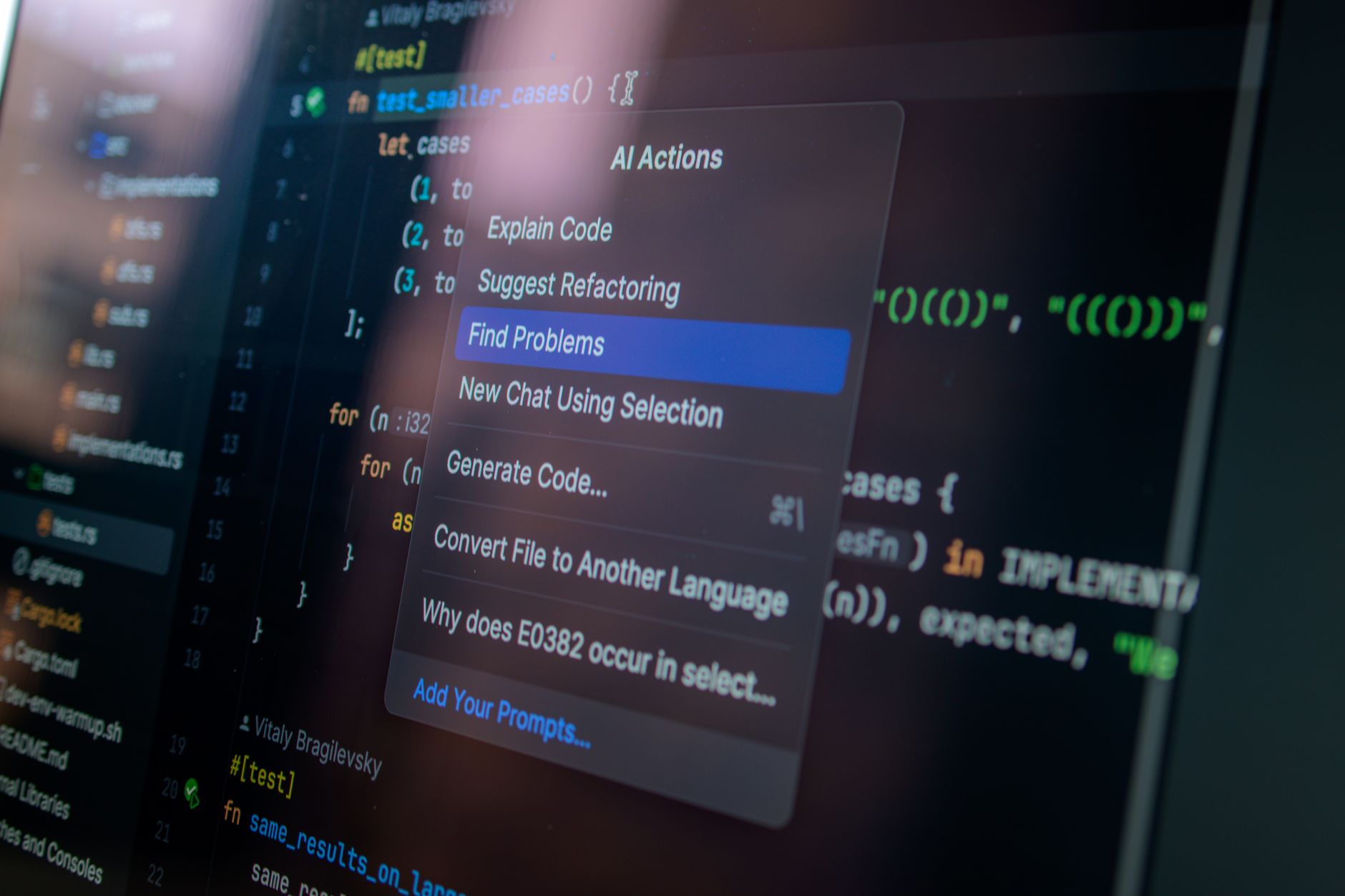
The AI-enabled marketing system is a game changer for brands seeking innovative solutions. Digital.Marketing has launched a redesigned website that integrates this advanced technology.
What is an AI-enabled marketing system?
An AI-enabled marketing system refers to a comprehensive platform that integrates artificial intelligence technologies to enhance marketing strategies and operations. These systems leverage advanced algorithms and data analytics to provide insights into consumer behavior, optimize marketing campaigns, and improve overall customer engagement.
One of the core functions of an AI-enabled marketing system is its ability to analyze vast amounts of data in real-time. This allows businesses to identify trends, predict customer preferences, and tailor their marketing efforts accordingly. By utilizing machine learning, these systems can continuously improve their recommendations and strategies based on new data inputs.
The benefits of implementing an AI-enabled marketing system include:
- Personalization: Delivering targeted content and offers to individual customers based on their preferences and behaviors.
- Efficiency: Automating repetitive tasks, freeing up marketing teams to focus on strategy and creativity.
- Insights: Providing actionable insights that help businesses make informed decisions and enhance their marketing effectiveness.
- Scalability: Easily adjusting marketing efforts to accommodate business growth and changing market conditions.
As more companies adopt these systems, the question remains: is an AI-enabled marketing system the best choice for your business?
Benefits of using AI in marketing
The integration of an AI-enabled marketing system offers numerous advantages for businesses looking to enhance their marketing strategies. By leveraging artificial intelligence, companies can streamline their operations and improve customer engagement.
One of the primary benefits is the ability to analyze vast amounts of data quickly and accurately. This enables businesses to gain valuable insights into consumer behavior, preferences, and trends. As a result, they can tailor their marketing campaigns to better meet the needs of their target audience.
Additionally, AI systems can automate repetitive tasks, allowing marketing teams to focus on more strategic initiatives. This not only increases efficiency but also reduces the likelihood of human error. For instance, AI can manage social media posts, email campaigns, and even customer interactions through chatbots.
Furthermore, AI-enabled marketing systems can enhance personalization. By using predictive analytics, businesses can deliver customized content and offers to individual customers, leading to higher conversion rates and customer satisfaction.
Moreover, these systems can optimize ad spend by identifying the most effective channels and strategies in real-time, ensuring that marketing budgets are used efficiently.
In conclusion, the adoption of an AI-enabled marketing system empowers businesses to stay competitive in a rapidly evolving digital landscape while providing significant operational advantages.
How Digital.Marketing’s system stands out
In the competitive landscape of digital marketing, Digital.Marketing has introduced a groundbreaking solution with its newly launched AI-enabled marketing system. This system distinguishes itself through several innovative features designed to enhance user experience and drive results.
Firstly, the integration of advanced machine learning algorithms allows the system to analyze vast amounts of data in real-time, enabling businesses to make informed decisions quickly. This capability is essential for adapting marketing strategies to ever-changing consumer preferences and market trends.
Additionally, the platform offers personalized customer engagement tools that leverage AI to tailor content and advertising to individual user behaviors. This level of customization enhances user satisfaction and increases conversion rates.
Another standout feature is the automated reporting system, which provides businesses with insightful analytics without the need for manual oversight. This not only saves time but also empowers marketing teams to focus on strategic initiatives rather than data collection.
Moreover, the AI-enabled marketing system is designed to seamlessly integrate with existing business tools, ensuring a smooth transition and reducing operational disruptions. With these comprehensive features, Digital.Marketing’s system is poised to set a new standard in the industry, making it a compelling choice for businesses looking to leverage the power of AI in their marketing efforts.
User experiences with AI marketing tools
As businesses increasingly adopt an AI-enabled marketing system, user experiences reveal a spectrum of insights and outcomes. Many users report enhanced efficiency and effectiveness in their marketing campaigns, attributing these improvements to the sophisticated algorithms that power these tools.
Feedback from various users highlights several key aspects of their experiences:
- Increased ROI: Many businesses have noted a significant return on investment, as AI tools optimize ad spending and target the right audience more effectively.
- User-Friendly Interfaces: Users appreciate the intuitive design of many AI marketing platforms, which allows for easy navigation and quick adaptation, even for those without advanced technical skills.
- Personalization Capabilities: The ability of AI systems to analyze consumer behavior and preferences has led to highly personalized marketing campaigns, resulting in improved customer engagement.
- Data-Driven Insights: Users find value in the analytics provided by AI tools, enabling them to make informed decisions based on comprehensive data analysis.
However, some users express concerns regarding the initial learning curve and the need for ongoing training to fully leverage the capabilities of these systems. Overall, the transition to an AI-enabled marketing system has proven beneficial for many, leading to a more strategic approach to digital marketing.
Future trends in AI marketing
As businesses increasingly adopt technology to enhance their marketing strategies, future trends in AI-enabled marketing systems are shaping the landscape. Experts predict several key developments that could transform how companies engage with consumers.
- Personalization at Scale: AI-enabled marketing systems will continue to evolve, offering advanced personalization features that allow brands to tailor their messages to individual preferences and behaviors. This shift towards hyper-personalization could significantly improve customer engagement and retention.
- Predictive Analytics: The integration of predictive analytics in AI marketing tools will enable businesses to anticipate customer needs and trends. By analyzing vast amounts of data, companies can make informed decisions on product development and marketing strategies.
- Voice Search Optimization: With the rise of voice-activated devices, AI systems will adapt to optimize content for voice search. This adaptation will ensure that businesses remain relevant in a rapidly changing digital environment.
- Enhanced Customer Support: AI-driven chatbots and virtual assistants will become even more sophisticated, providing seamless support to customers around the clock. This improvement will enhance the overall customer experience and streamline operations.
Overall, the future of marketing is poised to leverage the power of AI-enabled marketing systems, enabling businesses to innovate and stay competitive in an ever-evolving marketplace.
Comparing traditional vs AI-enabled systems
As businesses evaluate their marketing strategies, the choice between traditional marketing systems and an AI-enabled marketing system becomes increasingly significant. Traditional marketing relies heavily on manual processes and human expertise, which can lead to inconsistencies and slower response times. In contrast, AI-enabled systems leverage data analytics and machine learning to deliver more personalized and efficient marketing solutions.
The following points highlight key differences between traditional and AI-enabled marketing systems:
- Data Utilization: Traditional systems often analyze historical data without the ability to adapt to real-time changes. AI-enabled systems, however, can process vast amounts of data quickly, allowing for immediate adjustments to campaigns.
- Customer Insights: Traditional marketing tends to rely on generalized customer profiles, while AI systems use predictive analytics to understand individual customer behaviors, preferences, and purchasing patterns.
- Automation: Traditional marketing requires significant manual input for tasks such as segmentation and targeting. AI-enabled systems automate these processes, saving time and reducing human error.
- Scalability: As businesses grow, scaling traditional marketing efforts can be resource-intensive. AI-enabled marketing systems can easily adapt to increased demand without a corresponding increase in cost or labor.
Ultimately, the shift towards AI-enabled marketing systems marks a significant evolution in how businesses approach their marketing strategies.
Getting started with AI marketing
Getting started with an AI-enabled marketing system can seem daunting for businesses new to the technology. However, with the right approach and understanding, companies can seamlessly integrate these advanced tools into their existing marketing strategies. Here are some key steps to consider:
- Evaluate Your Needs: Begin by assessing your current marketing challenges and goals. Identify areas where AI can enhance efficiency or improve targeting.
- Choose the Right Tools: Select an AI-enabled marketing system that aligns with your business objectives. Look for platforms that offer customizable features and robust analytics capabilities.
- Train Your Team: Ensure that your marketing team is well-versed in using the new system. Providing training sessions and resources can help facilitate a smoother transition.
- Start Small: Implement AI solutions in stages rather than all at once. This allows for manageable adjustments and helps in measuring the impact of each change.
- Monitor and Optimize: Continuously track the performance of your AI marketing initiatives. Use data-driven insights to refine strategies and maximize effectiveness.
By following these steps, businesses can harness the power of an AI-enabled marketing system to enhance their marketing efforts and achieve better results.
Photo by Google DeepMind on Pexels
References
PvP Analysis Zoroark: The Best Strategies for Community Day · OT Security Support Program: Free Vulnerability Scanner Inside · Planet Zoo 2 Launch Details: Easy Guide to Preload