
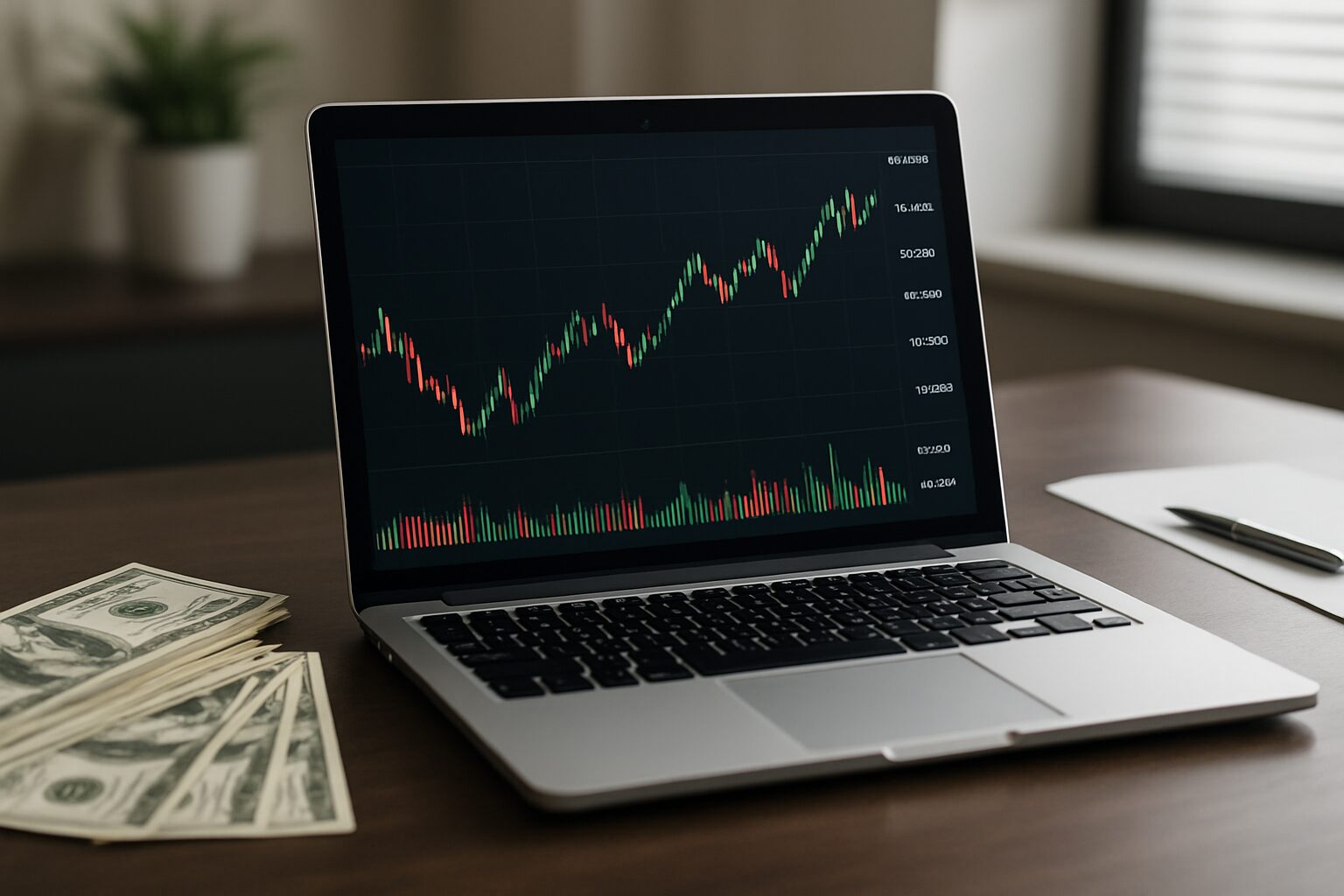
The foreign exchange market provides opportunities to study and trade currencies from different economies around the world. Traders need suitable tools to monitor price movements, analyze market conditions, and manage positions effectively. With Forex TradingSphere, the focus is on understanding useful trading features, currency markets, analytical tools, and organized approaches that can support a modern forex trading experience.
Table of Contents
- Understanding Global Currency Markets
- Currency Pair Selection
- Trading and Market Analysis Tools
- Technical Indicators
- Order Management
- Risk Management
- Flexible Market Monitoring
- Conclusion
Understanding Global Currency Markets
Forex trading involves exchanging one currency against another through currency pairs. The value of a currency pair changes as market participants respond to economic information, interest-rate expectations, political developments, and broader financial conditions.
Global currency markets operate across different regions and time zones, creating an environment where price activity can continue through much of the day. Traders can study different sessions and observe how market participation affects currency movements.
Understanding the relationship between two currencies is an important starting point for developing a thoughtful trading approach.
Currency Pair Selection
Currency pairs are commonly divided into major, minor, and exotic categories. Major pairs generally involve widely followed currencies and typically attract significant market participation. Minor pairs combine major currencies without including the United States dollar, while exotic pairs involve a major currency and a currency from a smaller or emerging economy.
Each type can have different characteristics relating to liquidity, volatility, and trading costs. Traders should understand these differences before selecting instruments for analysis.
Choosing a manageable number of currency pairs can also make market monitoring more organized.
Trading and Market Analysis Tools
Modern trading environments provide various tools for studying financial markets. Price charts allow traders to examine movements across multiple timeframes, while technical analysis tools can help identify trends, momentum, support levels, and resistance areas.
Drawing tools may be used to mark important price levels and create visual references. Traders can also compare different timeframes to gain a broader perspective before making decisions.
A clear and organized workspace can make frequently used information easier to monitor.
Technical Indicators
Technical indicators can provide additional information about market behavior. Depending on an individual’s approach, indicators may be used to study momentum, volatility, trend strength, or possible changes in market direction.
Using a limited selection of indicators can help keep analysis understandable. Too many indicators may produce conflicting signals and make decision-making more complicated.
Indicators should be treated as supporting analytical tools rather than reliable predictions. Market conditions can change rapidly, and no single indicator can account for every factor affecting currency prices.
Order Management
Trading tools also support the management of open and planned positions. Traders may need to open, modify, or close orders according to their trading plans.
Understanding different order types can help users manage entries and exits more systematically. Before entering a position, traders should determine their intended entry level, possible exit conditions, and acceptable risk.
Maintaining a consistent process can help reduce emotional decisions during periods of increased market volatility.
Risk Management
Risk management remains an important part of currency market participation. Forex prices can change quickly, and leverage can increase the potential impact of both gains and losses.
Traders should consider position size, margin, leverage, and overall exposure before entering the market. Establishing clear risk limits can help maintain greater control over trading activities.
Keeping records of previous trades can also help identify recurring mistakes and improve future decision-making.
Flexible Market Monitoring
A flexible trading environment can help traders monitor markets according to their preferred schedules and strategies. Different chart layouts, timeframes, and analytical tools can be organized to support individual requirements.
Traders may focus on short-term price movements or study longer-term market trends. Regardless of the chosen timeframe, consistency is important. A structured routine can make it easier to review market conditions without reacting impulsively to every price change.
Conclusion
Forex TradingSphere represents an approach centered on global currency market access, analytical tools, charting features, order management, and structured market monitoring. Understanding these elements can help traders develop a more organized method for studying forex markets.
Nevertheless, trading tools cannot guarantee successful outcomes. Currency markets involve uncertainty, and traders should combine market knowledge with careful analysis, disciplined decision-making, and responsible risk management. A thoughtful approach to available tools can support better preparation while maintaining realistic expectations about the challenges of forex trading.
Key Takeaways
- Forex trading involves exchanging one currency against another through currency pairs, which change in value based on economic information and market conditions.
- Currency pairs are categorized into major, minor, and exotic types, each with different characteristics related to liquidity and volatility.
- Modern trading environments offer various tools, including price charts and technical analysis tools, to help traders monitor market activity and identify trends.
- Technical indicators provide insights into market behavior but should be used selectively to avoid conflicting signals and complicating decision-making.
- Risk management is crucial in Forex trading, requiring traders to consider factors such as position size, margin, and overall exposure before entering the market.
- A structured routine in market monitoring can help traders remain consistent and reduce impulsive reactions to price changes.


