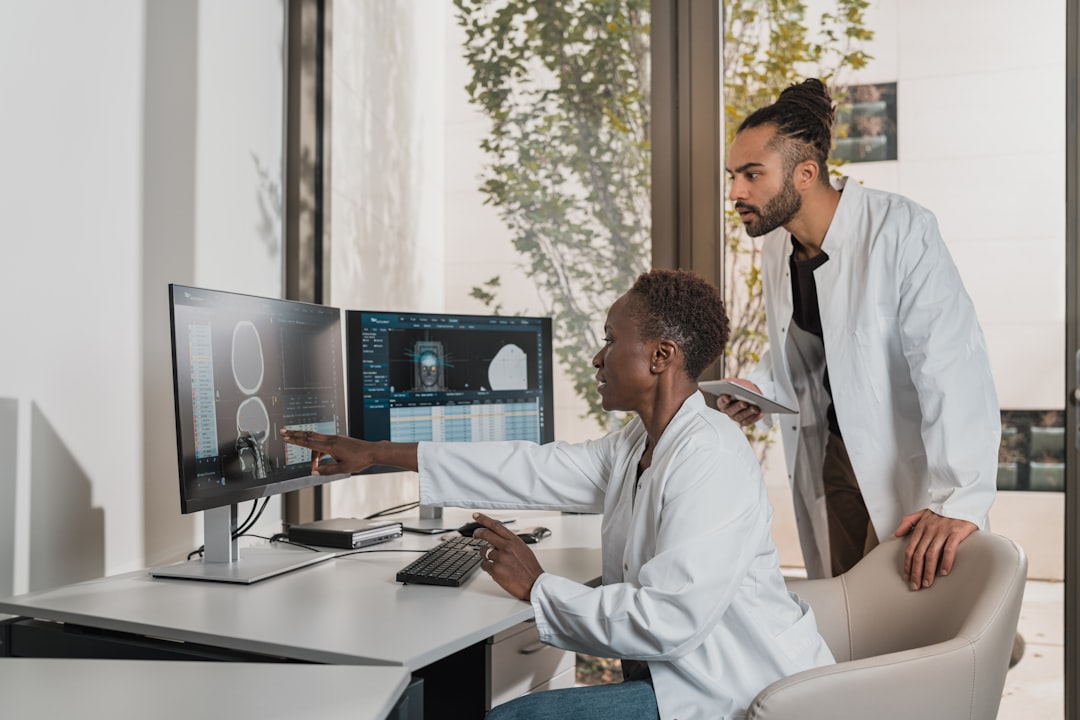
Back health can influence movement, posture, work, sleep, and many everyday activities, making appropriate medical guidance valuable when discomfort becomes persistent. People researching back doctors tampa may be comparing specialists based on clinical experience, treatment approaches, diagnostic capabilities, and personalized attention. Modern back care combines careful assessment with a range of conservative and minimally invasive options, allowing treatment to be shaped around the patient’s condition rather than following a single standard approach.
Table of Contents
- What does a back specialist typically evaluate?
- When can specialized back care be useful?
- How is a back condition assessed?
- What treatment options are available for back conditions?
- Why is individualized care important?
- What should patients look for in a back specialist?
- Conclusion
What does a back specialist typically evaluate?
A back specialist looks at the complete picture behind spinal discomfort. The evaluation can include symptoms, previous injuries, physical movement, muscle strength, posture, and other relevant health information. Imaging may also be considered when it can provide additional insight into the structures contributing to symptoms.
This broader assessment helps distinguish between different sources of back problems. Disc-related concerns, nerve irritation, spinal narrowing, and other structural conditions can produce similar symptoms, so identifying the underlying cause is an important part of professional care.
When can specialized back care be useful?
Specialized care can be valuable when discomfort continues to affect normal activities or when symptoms repeatedly return. Patients may also seek an evaluation when movement becomes restricted or when they want a clearer understanding of an existing spinal condition.
A professional assessment provides an opportunity to discuss available treatment options and establish a plan based on individual needs. Early attention can also help patients better understand how lifestyle, movement, rehabilitation, and medical treatment may work together.
How is a back condition assessed?
A typical assessment combines the patient’s description of symptoms with clinical examination. The specialist may observe range of motion, reflexes, strength, posture, and other physical indicators. When appropriate, imaging can add useful information about discs, vertebrae, nerves, and surrounding structures.
The combination of these findings allows the physician to develop a more complete understanding of the condition. This information supports a treatment strategy that is focused on the specific source of the problem.
What treatment options are available for back conditions?
Treatment depends on the diagnosis and individual circumstances. Conservative approaches may include physical therapy, targeted exercises, activity adjustments, medication, and other non-surgical measures. These options can support strength, flexibility, movement, and overall spinal function.
When a structural problem requires a procedure, modern spine care also includes minimally invasive techniques. Endoscopic spine procedures use specialized instruments and visualization through a small access point for selected conditions. This approach can provide targeted treatment while aiming to preserve surrounding tissue.
Why is individualized care important?
Spinal conditions can vary considerably from one person to another. Even when symptoms appear similar, the underlying cause, physical demands, previous treatment, and recovery goals may be different.
An individualized treatment plan takes these factors into consideration. It allows the specialist to select an appropriate combination of evaluation, conservative management, rehabilitation, or procedural care. This personalized approach can also make the treatment process easier to understand.
What should patients look for in a back specialist?
Professional experience, focused expertise, clear communication, and a patient-centered approach are useful qualities to consider. A strong consultation should give patients enough information to understand their condition and available treatment pathways.
Attention to follow-up and recovery is equally important. Successful back care involves more than addressing an immediate symptom; it also supports movement, function, and long-term spinal health.
Conclusion
Finding suitable back care in Tampa starts with a thorough understanding of the condition and the treatment options available. Professional assessment, individualized planning, modern minimally invasive techniques, and ongoing attention to recovery can create a comprehensive approach to spinal health. With appropriate specialist guidance, patients can move toward improved comfort, mobility, confidence, and everyday function.
Key Takeaways
- Back health significantly affects movement, posture, sleep, and daily activities, necessitating medical guidance for persistent discomfort.
- When evaluating a patient, a back specialist considers symptoms, previous injuries, physical movement, muscle strength, posture, and relevant health information.
- Specialized back care is particularly beneficial when discomfort impedes normal activities, symptoms recur, or movement is restricted.
- Treatment for back conditions may involve conservative methods such as physical therapy and medication, as well as minimally invasive procedures when necessary.
- Individualized care is crucial because spinal conditions can differ widely among patients, making a tailored treatment plan essential for effective management.
- Patients should prioritize professional experience, clear communication, and patient-centered care when choosing a back specialist.