Personal moments have always carried emotional weight, but in today’s brand-driven world, they also carry strategic value. Businesses increasingly recognize that authentic connections are built not through aggressive messaging but through experiences that feel personal, thoughtful, and human. The shift from transactional marketing to experiential branding reflects a deeper understanding of how memory and emotion shape long-term brand perception.
When brands thoughtfully integrate personal storytelling into their outreach, everyday interactions transform into lasting impressions. This approach is especially relevant in campaigns that merge creativity, physical touchpoints, and emotional resonance, such as customized merchandise or experiential gifting. Toward the end of this journey, products like a photo print blanket naturally emerge as symbols of warmth, memory, and connection.
The Psychology Behind Personalization in Brand Building
Personalization works because it mirrors how people form relationships in real life. When a brand acknowledges individual identity, preferences, or shared moments, it signals attentiveness and respect. This psychological recognition creates familiarity, which is a foundational element of trust.
From a branding perspective, personalized experiences reduce the distance between company and consumer. They replace abstract messaging with tangible relevance. Over time, these interactions accumulate, shaping how a brand is remembered and talked about long after a campaign ends.
From Objects to Experiences: Redefining Brand Touchpoints
Modern branding no longer treats physical products as mere giveaways. Instead, they are designed as experiential extensions of a brand’s values. A thoughtfully crafted item becomes a medium through which stories are told and relationships are reinforced.
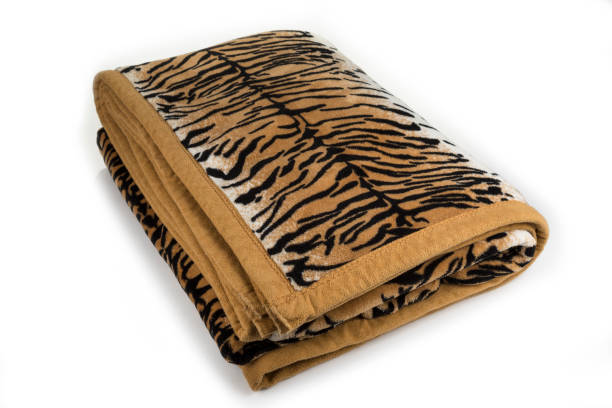
This is where tactile elements matter. Items that are used repeatedly in personal spaces gain emotional significance. A fleece blanket with pictures, for example, is not just a product but a recurring reminder of shared experiences, comfort, and emotional continuity between brand and audience.
Emotional Anchoring Through Everyday Use
Objects integrated into daily routines naturally anchor emotions over time. When a branded item is part of moments like relaxation or family time, it gains emotional depth. That association strengthens recall without relying on overt messaging.
Visual Storytelling Without Words
Images communicate faster than text. Personalized visuals allow brands to tell stories subtly, letting the recipient interpret meaning through their own experiences. This non-intrusive storytelling approach often resonates more deeply than direct promotional language.
Longevity Over Novelty
While novelty attracts attention briefly, longevity sustains relationships. Items designed for long-term use extend a brand’s presence far beyond the initial interaction, ensuring consistent visibility without repeated outreach.
Aligning Brand Identity With Personal Narratives
Successful experiential branding aligns personal relevance with brand identity. This alignment ensures that personalization feels intentional rather than superficial. Brands must clearly understand their voice, values, and audience before embedding themselves into personal moments.
Consistency is critical. When personalized elements reflect a brand’s core narrative, they reinforce credibility. Mismatched or forced personalization, on the other hand, risks feeling inauthentic and can dilute brand trust.
The Role of Creative Strategy in Experiential Marketing
Creative strategy bridges the gap between concept and execution. It ensures that personal experiences are not random but purpose-driven. From visual design to messaging tone, every element must support a cohesive narrative.
At this stage, collaboration between creative, production, and marketing teams becomes essential. Strategic oversight ensures that personalization enhances brand equity rather than simply adding aesthetic value.
Audience Insight as the Starting Point
Understanding audience behavior, preferences, and emotional triggers allows brands to design experiences that feel intuitive. Research-driven creativity ensures relevance and resonance.
Material and Design Choices Matter
The physical quality of an item communicates brand standards. Thoughtful material selection and design execution reinforce perceptions of reliability, care, and professionalism.
Measuring Emotional Impact
While emotional response is harder to quantify, feedback, repeat engagement, and organic sharing provide valuable indicators. These metrics help refine future experiential strategies.
Experiential Branding in Corporate and B2B Contexts
Experiential branding is not limited to consumer-focused campaigns. In corporate and B2B environments, personalized experiences can strengthen partnerships, employee engagement, and internal culture. Thoughtful gifting and branded experiences foster goodwill and long-term collaboration.
In these contexts, personalization signals appreciation rather than promotion. It reinforces professional relationships through respect and shared value, making interactions more meaningful and memorable.
Final Thoughts: Personalization as a Strategic Brand Asset
Turning personal moments into lasting brand experiences requires more than creative ideas. It demands strategic clarity, emotional intelligence, and consistent execution. When brands invest in meaningful personalization, they move beyond visibility toward genuine connection.
Brava Marketing approaches experiential branding with this balance in mind, designing campaigns that integrate creativity, strategy, and emotional relevance. By aligning personalized experiences with broader brand objectives, they help organizations transform thoughtful gestures into impactful business promotional items that resonate long after the initial moment has passed.